SustainabilitySweetNSavour
Zero-Waste Cooking
Published January 9, 2026By Mahmood Rahman
Zero-waste cooking is a practical and creative way to reduce food waste, save money, and support the planet—all while enjoying better meals. Global estimates suggest that approximately one-third of all food produced for human consumption is lost or wasted each year, amounting to roughly 1.3 billion tons of food. By learning to cook with intention and use every part of your ingredients, your kitchen can become a powerful place for climate action and culinary joy.
What Is Zero-Waste Cooking?
Zero-waste cooking is the practice of planning, preparing, and storing food in a way that minimizes or completely avoids waste. It focuses on using ingredients fully—from root to leaf, stem to peel—so that less ends up in the bin.
Many households discard food simply because of poor planning, confusion about date labels, or a lack of knowledge on how to use leftovers and scraps creatively. Zero-waste cooking answers this with better organization, flexible recipes, and a mindset that sees potential in every ingredient.
Why Zero-Waste Cooking Matters
Food waste is a major environmental issue, not just an economic one. When food ends up in landfills, it decomposes without enough oxygen and produces methane, a greenhouse gas over 25 times more potent than carbon dioxide over a 100-year period. Reducing food waste at home is one of the most effective climate actions individuals and families can take.
On a household level, cutting food waste can also save a meaningful amount of money each year. Families often discard perfectly edible food, from wilted vegetables to leftover portions, which adds up over time in both cost and environmental impact. Choosing zero-waste cooking habits reduces these losses while improving meals and nutrition.
Principles of Zero-Waste Cooking
Zero-waste cooking rests on a few key principles that guide how ingredients are chosen, used, and stored. These principles can be applied in any kitchen, regardless of space, budget, or cooking experience.
- Plan with purpose: Plan meals around what you already have in the fridge and pantry before shopping.
- Use the whole ingredient: Whenever possible, cook with stems, leaves, and peels that are often thrown away.
- Store smart: Store food properly to extend its shelf life, using airtight containers, freezing, or portioning.
- Cook flexibly: Use “framework” recipes—like soups, stir-fries, and grain bowls—that adapt to whatever is on hand.
By combining these ideas, it becomes easier to reduce waste naturally, without feeling constrained or deprived in the kitchen.
Using Every Part of the Ingredient
Many parts of vegetables and herbs commonly considered “scraps” are actually flavorful, nutritious, and safe to eat. Learning how to use them transforms what would be waste into delicious additions to meals.
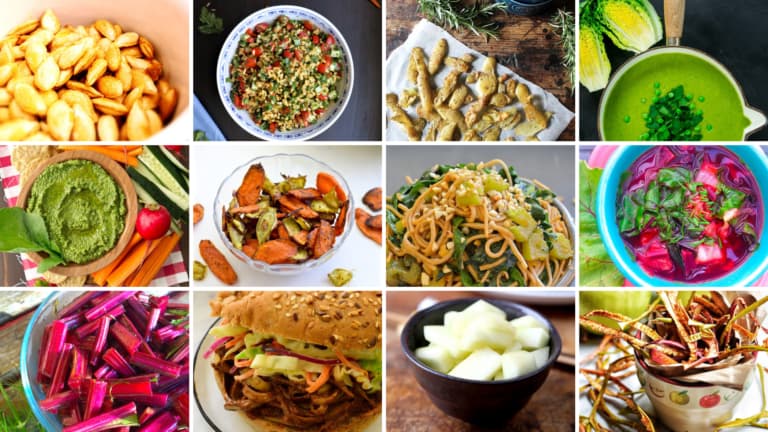
- Leafy greens and tops: Carrot tops, beet greens, radish greens, and broccoli leaves can be turned into pesto, added to stir-fries, or blended into soups.
- Stems and stalks: Broccoli and cauliflower stems are excellent sliced thinly in stir-fries or grated into slaws, while kale stems can be chopped into stews.
- Peels and skins: Potato skins can be baked into crispy snacks, citrus peels can be candied or infused into water, and onion skins can be used to flavor homemade stock.
By treating these so-called “scraps” as ingredients, meals become more varied, and the amount of waste in the kitchen drops significantly.
Zero-Waste Cooking Techniques
Certain cooking techniques naturally support a zero-waste approach by capturing flavor, preserving nutrients, and making use of less-than-perfect produce. These methods are practical for everyday meals and easy to integrate into existing routines.
- Steaming: Steaming vegetables preserves nutrients and texture, and even slightly wilted or softer produce can be revived by this gentle method.
- Sautéing: Sautéing with a bit of oil, garlic, and herbs transforms stems, leaves, and leftover bits into flavorful sides or toppings for grains and pasta.
- Simmering in soups and stocks: Vegetable ends, peels (well-washed), and herb stems can be simmered to make broth, extracting flavor and nutrients before any composting.
Using these techniques, even vegetables that are no longer visually perfect can be turned into nourishing dishes, extending their usable life instead of being discarded.
Practical Ideas for Using Scraps
Turning scraps into meals becomes easier with a few go-to ideas and combinations that work well together. These are simple approaches that do not require complex recipes but deliver satisfying results.
- Hearty vegetable stir-fries: Combine chopped stems, leaves, and leftover cooked vegetables with garlic, soy sauce, and grains like rice or noodles for a quick meal.
- Nourishing soups and stews: Use soft vegetables, leftover proteins, and cooked grains in brothy soups, blended soups, or thick stews that can be frozen in portions.
- Homemade vegetable stock: Collect clean vegetable scraps (onion skins, carrot ends, celery leaves, herb stems) in a freezer bag and simmer a large batch of stock once the bag is full.
These approaches make it easy to treat scraps as building blocks, not garbage, which is central to a zero-waste cooking mindset.
Meal Prep as a Zero-Waste Tool
Meal prep is one of the most effective tools for reducing food waste in busy households. Preparing components or full meals in advance gives every ingredient a clear purpose and path to the plate.
Batch cooking grains, legumes, roasted vegetables, and basic sauces makes it easier to use produce before it spoils. It also reduces the temptation to let ingredients sit unused because last-minute decisions are harder when time and energy are low. When meals or components are ready to go, leftovers are more likely to be eaten and less likely to be forgotten.
Freezing Leftovers and Ingredients
Freezing is an essential strategy for zero-waste cooking, helping extend the life of prepared food and raw ingredients. Many cooked dishes, including soups, stews, curries, and sauces, freeze and reheat well.
Chopped vegetables, bread ends, and herbs can be frozen for later use in soups, casseroles, or blends. Freezing overripe fruit for smoothies or baking is another highly effective way to prevent waste. By labeling containers with dates and contents, the freezer becomes a tool for planning instead of a cluttered storage space.
Hosting “Leftover Nights”
Leftover nights turn zero-waste cooking into a fun, flexible tradition. Rather than viewing leftovers as boring or second-rate, these evenings celebrate creativity and resourcefulness.
Families can lay out all safe, edible leftovers from the week and mix them into new combinations—grain bowls, wraps, omelets, or baked dishes. This habit ensures that prepared food is eaten rather than discarded, while also reducing the need for additional cooking and cleaning on busy days.
Facts and Figures to Share with Readers
Including a few key numbers can help readers understand the scale and impact of zero-waste cooking. These figures are useful in posts, sidebars, or infographics to reinforce the message.
- Roughly one-third of food produced for human consumption is lost or wasted globally each year, representing about 1.3 billion tons of food.
Food waste is responsible for a significant share of global greenhouse gas emissions, largely because of methane released as food decomposes in landfills.
A large portion of household food waste is avoidable and linked to improper storage, overbuying, and not using leftovers or edible parts of food.
-
These facts highlight how meaningful it is when a household chooses to change its habits, even in small ways.
Zero-waste cooking does not require a perfect system or advanced skills. It begins with a single decision: to value ingredients more and waste less.