SustainabilitySweetNSavour
Zero-Waste Personal Care
Published January 9, 2026By Mahmood Rahman
Zero-waste personal care focuses on caring for the body while also caring for the planet. Personal care items are a significant source of plastic waste, especially through bottles, pumps, and disposable accessories. Shifting toward low-waste alternatives reduces rubbish, supports more sustainable brands, and often simplifies daily routines without sacrificing quality.
Why Rethink Personal Care?
Many conventional personal care products use single-use plastic packaging, complex formulations, and short-lived accessories. Over time, these items contribute to growing waste streams and require energy and resources to produce, ship, and dispose of.
Zero-waste personal care encourages people to look at what they use daily—soap, shampoo, skincare, dental care—and to ask where packaging can be reduced, reused, or eliminated entirely.
Simple Zero-Waste Swaps
A few targeted swaps can dramatically cut the amount of plastic and disposable waste in the bathroom. These changes are often easy to adopt and still deliver the same or better performance as conventional products.
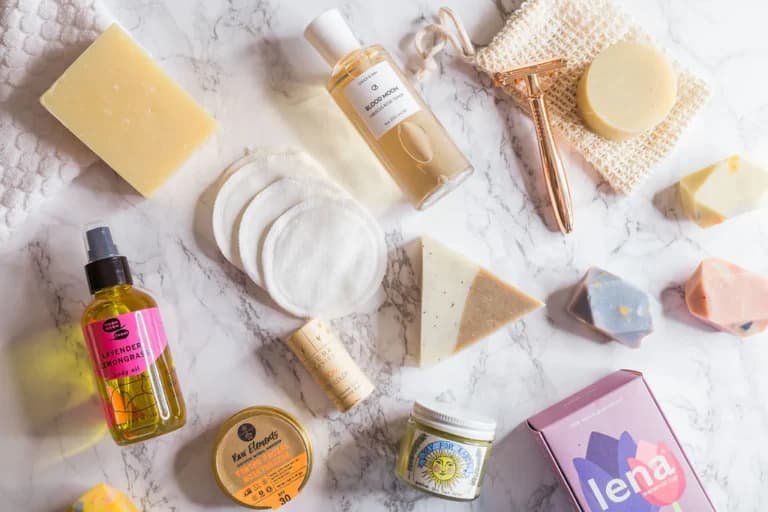
Bar soap instead of bottled body wash: Solid bars usually require less packaging and last a long time when stored properly.
- Bar shampoo and conditioner: Solid hair care bars reduce plastic bottles and are convenient for travel.
- Bamboo toothbrushes: These replace plastic handles with a renewable material, while the bristles are often designed for lower-impact disposal.
- Safety razors: Metal razors with replaceable blades can last for years and avoid plastic disposable razor heads.
Each swap reduces reliance on single-use packaging and introduces more durable, often more aesthetically pleasing items into daily routines.
Homemade Beauty Recipes
Homemade beauty products allow for control over ingredients, fragrances, and textures, while cutting down on packaging and unnecessary additives. Simple recipes can often be made with pantry staples.
Sugar scrub: Mix sugar with a plant-based oil (such as olive or coconut) to create a gentle exfoliating scrub for hands, feet, or body.
- Oat or yogurt masks: Ground oats, yogurt, or honey can form the base of soothing face masks.
- Lip scrubs and balms: Sugar, oil, and a bit of wax (like beeswax) can be used to create basic lip-care products.
Reusing small jars or tins to store these items helps avoid new packaging, and batches can be prepared in modest quantities to stay fresh.
Refill Stations and Eco-Conscious Brands
Where available, refill stations and bulk stores offer an effective way to reduce packaging in personal care. Customers can bring their own bottles to refill products such as liquid soap, shampoo, conditioner, and even lotion.
If refills are not accessible locally, choosing brands that prioritize recyclable or minimal packaging, concentrated formulas, and transparent environmental commitments is another step toward lower-waste routines. Many such brands design products with longer use per unit, which also helps reduce overall consumption.
Tailoring a Low-Waste Routine
A zero-waste personal care routine works best when it is tailored to individual needs, preferences, and skin or hair types. The aim is not to adopt every possible swap, but to find a balance where products are effective, enjoyable, and less wasteful.
Readers can start by:
- Using up what they already have before switching.
- Choosing one category to adjust first, such as soap, shampoo, or dental care.
- Testing new products or recipes slowly to ensure they work well for their bodies and lifestyles.
This thoughtful, step-by-step approach makes it easier to maintain both quality and consistency, while steadily reducing the environmental footprint of everyday self-care.